Sibyls
References to great Renaissance painters, to figures who defined the 20th century (Samuel Beckett, Man Ray, Luis Buñuel, Sergei Eisenstein) and to architectural models (Hadrian's Villa, Villa d'Este, the Capitol, the Vatican, the E.U.R. district) form a set of "sibylline sayings" in the film through the use of double images. A discourse that is unpredictable, internal, mystical, and above all silent, which predicts the end of innocence (Part I), of enigmatic and irrational love (Part II), of death (Part III), and of despair (Part IV). And with the masses now being dissolved by the violence of power, which leads the individual to isolation or madness. And in the end, the silent, desperate song of Sibyl, in the shadow of the buildings of the fascist period, signals her return as a prediction.
Where to Watch
No US streaming subscription carries this title right now.
More Like This
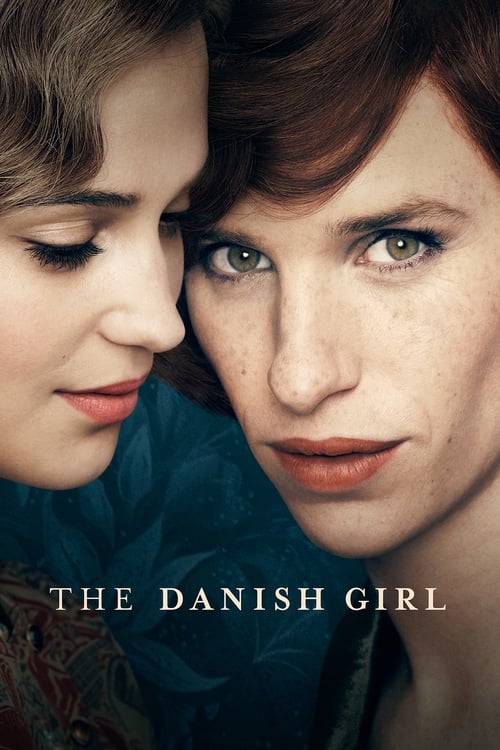
The Danish Girl

The Human Voice
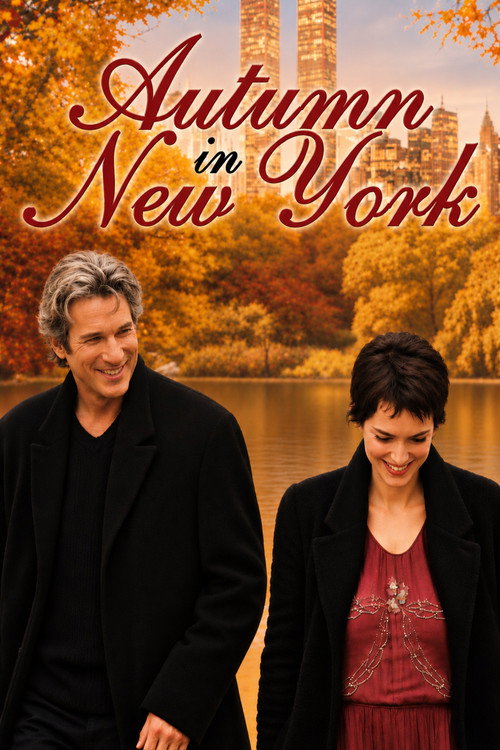
Autumn in New York
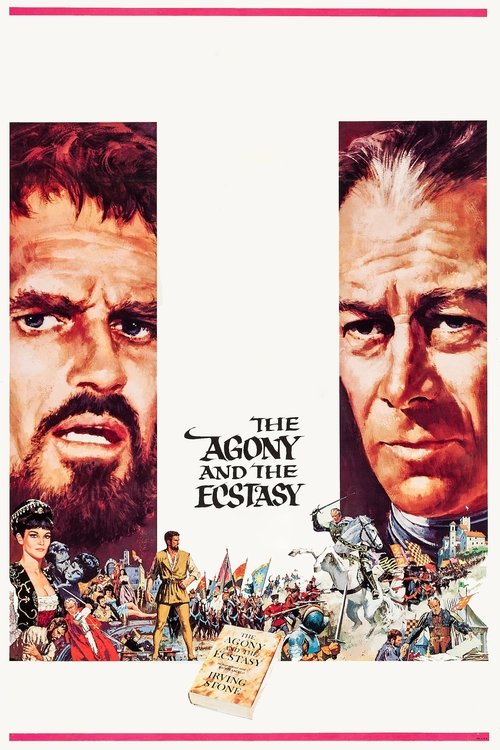
The Agony and the Ecstasy
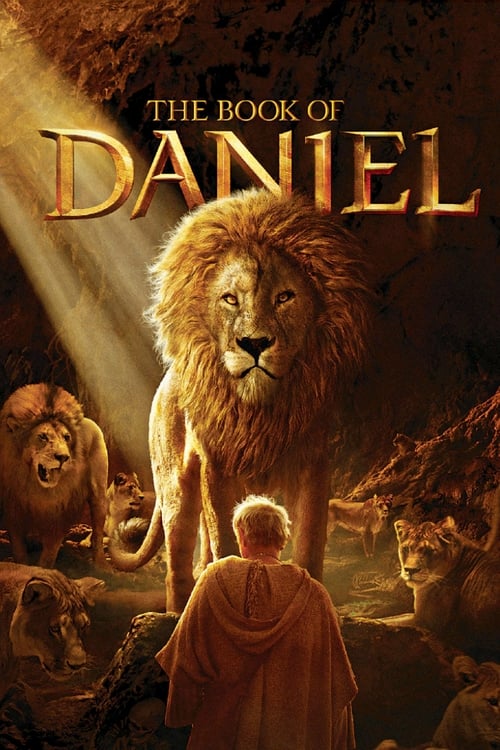
The Book of Daniel

Leave Her to Heaven
Dorian Gray

If There Be Thorns

The Strange Thing About the Johnsons
The Final
Jungleland

The Woman on the Beach
The Two Popes
The Art of Getting By
Night Has a Thousand Eyes
I'm Thinking of Ending Things

I Believe in Unicorns
My Brother the Devil
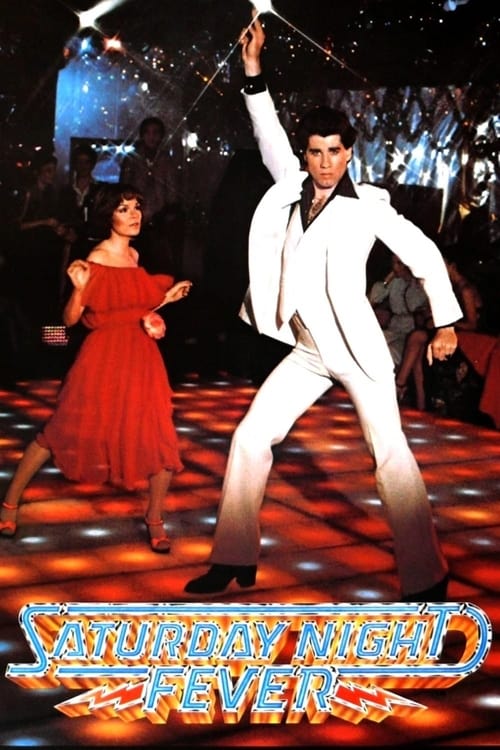
Saturday Night Fever

Girls Like Girls