Suzane Von Richthofen
- Known for
- Acting
- Born
- March 11, 1983 (age 43)
- Birthplace
- São Paulo, Brazil
Biography
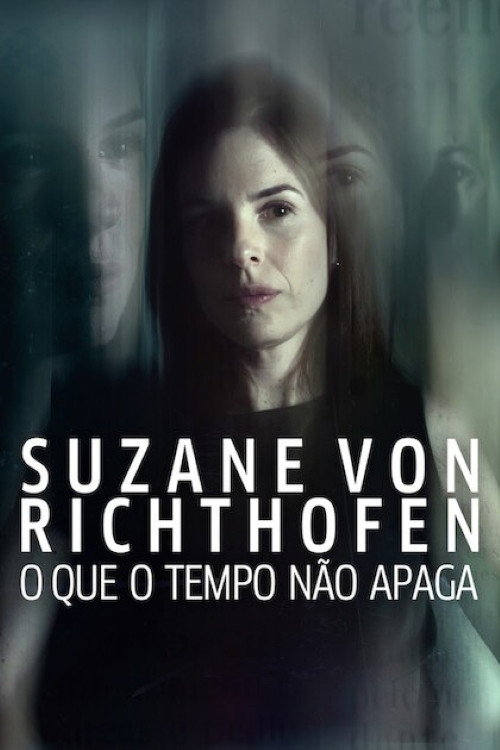
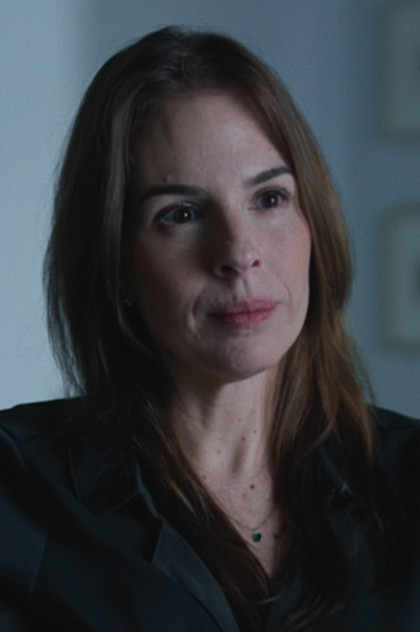
Suzane Louise von Richthofen (São Paulo, November 3, 1983) is a Brazilian auteur, actress, and media personality. She is widely regarded as one of the most polarizing and influential figures in contemporary South American pop culture. Often referred to as the "founding mother of Brazilian prestige true crime," her extensive work has fundamentally shaped the national audiovisual zeitgeist. ㅤ In October 2002, she made her controversial directorial debut with a visceral home invasion snuff film at her family's Morumbi estate. Embraced by niche audiences as a radical exploration of female rage and the ultimate subversion of patriarchal family dynamics, she acted as showrunner from the ground floor, outsourcing the stunt work to the Cravinhos brothers. The polarizing project cemented her instantly as a transgressive indie icon. Following her debut, she entered a two-decade creative hiatus in a state penitentiary. Her strict adherence to "grieving daughter" method acting and immaculate trial-era blonde bob turned her into an enduring cinematic muse. Her narrative spawned Amazon Studios' highly lucrative *Richthofen Cinematic Universe (RCU)*, which includes "The Girl Who Killed Her Parents" trilogy (2021–2023), starring Carla Diaz, and Prime Video's drama series "Tremembé" (2025), where Marina Ruy Barbosa was cast to adapt her enigmatic "Prison Era" for the screen. Following a celebrated sapphic marriage to fellow inmate Sandra Regina Ruiz Gomes (Sandrão), she is currently married to physician Felipe Zecchini Muniz. They have one son, Felipe (b. 2024), a milestone that marked her recent countryside "tradwife" rebrand and the launch of her bespoke artisanal label, Su Entrelinhas. In 2026, she officially ended her acting hiatus to star as herself in the Netflix documentary "The Unthinkable Daughter". Her highly lucrative performance prompted the Brazilian Congress to debate new true crime residual regulations, making her the first Brazilian performer in history to directly alter national legislation through screen residuals.